


 Close Menu
 World
World
 Biography
 Health
 Education
 Business
 Lifestyle
 Sports
 Technology
 Animals
 History
 Food
Food
 Religious
 Startups
 Movies
 Politics
 Fashion
 Covid
Covid
 Diet
Diet
 Fitness
 Marketing
 Travel
 Science
 Reviews
 Social media
 Stories
 Facts
Facts
 Art
Art
 Entertainment
Scrap Dost

Business
Understanding the Vehicle Scrapping Process: A Step-by-Step Overview for Vehicle Owners
 Scrap Dost
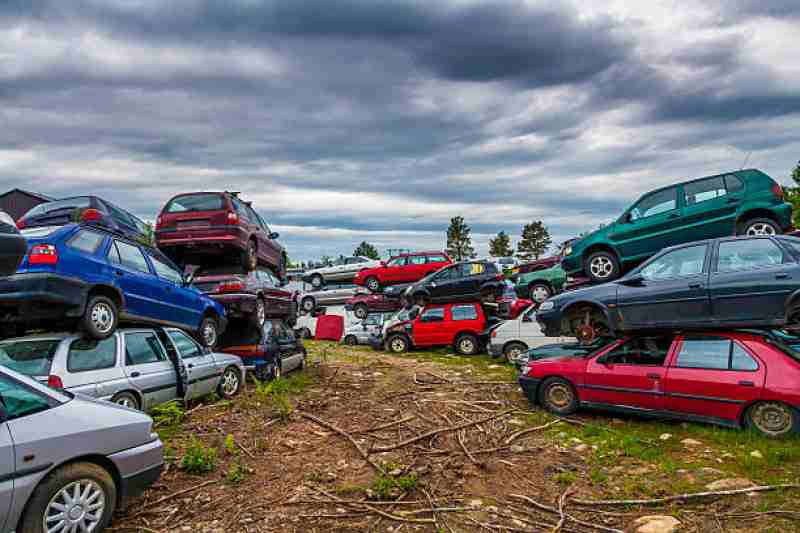
Automobile scrapping is a crucial part of handling the environmental impact of getting old and non-practical automobiles. The technique entails dismantling vintage vehicles, recycling usable elements, and responsibly casting off unsafe substances. By scrapping your car, you contribute to reducing the carbon footprint and environmental risks related to abandoned motors.
A step-by-step guide for car owners on how to navigate the auto scrapping process.
1. Why Scrap Your Vehicle?
Prior to diving into the step-by-step manner, it's vital to recognize why vehicle scrapping is important. While a vehicle reaches the end of its useful life, it often becomes a legal responsibility rather than an asset. Vintage motors can leak dangerous fluids into the floor, pose safety hazards, and occupy valuable space. Additionally, scrapping a car lets in for the healing of reusable substances like steel, glass, and plastic, that may then be recycled into new merchandise, selling a circular economy.
2. Assessing automobile situations
Step one in the scraping technique is assessing your car’s situation. test whether it's nonetheless practical or if certain parts may be bought or reused. Automobiles that might be past repair, totaled in injuries, or have become uneconomical to preserve are high applicants for scrapping. Engaging in this evaluation will help you make a decision whether to sell precise parts one by one earlier than scrapping or continue with the entire car as-is.
3. Gathering necessary documentation
To legally scrap your car, you'll want to provide sure documents to the scrapping business enterprise or legal recycler. The most important document is the vehicle’s registration certificate, which proves possession. Moreover, you may need your identity evidence, coverage documents, and pollution beneath control (%) certificates in a few regions. These documents are required to ensure that the car is being scrapped lawfully and that its disposal is nicely recorded.
4. Locating an authorized scrapping center
Car proprietors ought to ensure that their car is scrapped at a central authority-legal scrapping middle. These centers follow environmentally friendly techniques and cling to the laws governing automobile disposal. authorized scrapping facilities also offer the vital certification that the vehicle has been dismantled efficiently, which is critical for updating automobile information with nearby authorities. To find a certified scrapping center, take a look at nearby transport authorities or use online assets. Many nations preserve a listing of certified scrapping facilities to ensure the manner is carried out responsibly.
5. Canceling the vehicle's registration
Once you decide to scrap your automobile, you should notify the nearby regional delivery workplace (RTO) and request the cancellation of the automobile's registration. This step is important to make sure that the automobile is not connected to you in authentic facts. The RTO can also require you to post the unique automobile registration certificates, a duplicate of your identification, and scrapping certificates from the authorized center. After verification, the RTO will cancel the registration and provide you with an affirmation, indicating that the automobile is formally out of commission.
6. Removing non-public property and precious elements
Before sending the automobile to the scrapping center, thoroughly inspect it to get rid of all private belongings. Many automobile owners, by accident, go away at the back of documents, devices, or other valuable gadgets. Additionally, if you have installed accessories like stereo systems, GPS devices, or alloy wheels, don't forget to do away with them if they have a resale cost or can be reused.
7. Handing over the car to the scrapping middle
After deciding on a licensed scrapping middle and completing the necessary paperwork, you may hand over your automobile for scrapping. Most centers provide unfastened towing offerings if your automobile isn't always in a drivable situation. As soon as the automobile is obtained, the scrapping middle will look at it to assess its price. They may offer reimbursement based totally on the weight of scrap metal and any reusable components that can be salvaged.
8. Automobile dismantling and recycling
The real scrapping procedure entails several tiers, together with dismantling, recycling, and disposal. Here’s a quick assessment of what happens at the scrapping center:
Dismantling: The vehicle is disassembled, and reusable components, which include the engine, transmission, battery, and tires, are eliminated. These parts can be refurbished or bought inside the aftermarket.
Draining Fluids: hazardous fluids like oil, coolant, brake fluid, and gasoline are drained from the car and disposed of following environmental regulations. Proper disposal of these fluids is critical to prevent soil and water infection.
Crushing and Shredding: The automobile’s body and body are beaten and shredded to recover metals like metallic and aluminum. This metal is then recycled and utilized in the production of new merchandise.
Sorting and Recycling: Non-metallic additives, inclusive of plastics, glass, and rubber, are looked after and sent for recycling or secure disposal.
Conclusion
The car scrapping manner isn't always handiest a responsible step closer to environmental conservation, however additionally a legally required manner in lots of regions. Through following the stairs outlined above, vehicle proprietors can make certain their vintage cars are dismantled and recycled nicely, minimizing environmental effect and potentially gaining some economic return.
Source:
Click for the: Full Story
You might like